
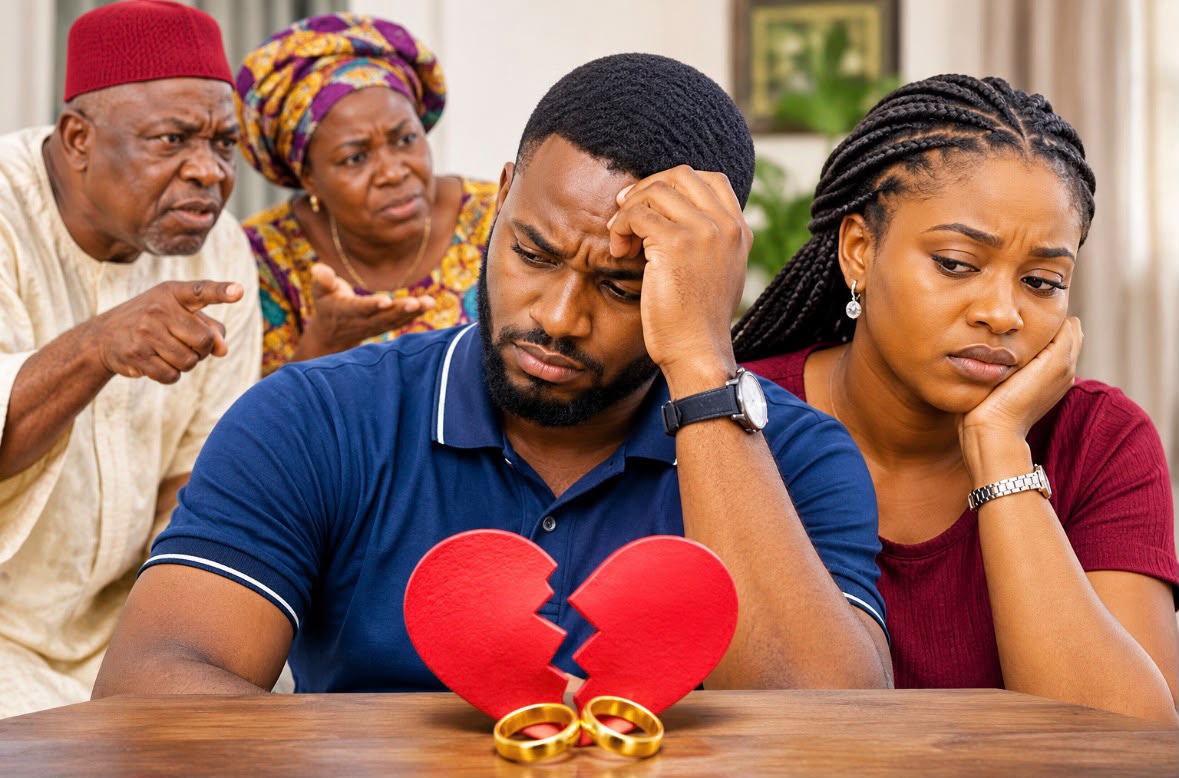
A sociologist at Moses Adasu University, Dr Lawrence Kwaghga, has identified forced marriage as a major contributor to marital instability, warning that unions built on family pressure rather than genuine love and consent are often vulnerable to conflict, infidelity, emotional distress and eventual divorce.
Dr Kwaghga gave the warning in an interview with our reporter while speaking on the ingredients of successful and enduring marriages.
He observed that some families compel their children to marry particular individuals for economic, social or other perceived benefits, a practice he said could undermine the foundation of such relationships.
According to him, marriages contracted for material or social gains rather than genuine affection and mutual understanding are likely to experience difficulties, particularly when the anticipated benefits are no longer available.
The sociologist urged parents to raise their children to become independent-minded adults capable of making informed decisions, especially when choosing life partners.
He maintained that the personal choices and rights of intending couples must be respected, stressing that marriage should be a voluntary commitment between two people willing to support each other through life’s challenges.
Dr Kwaghga further warned that forced marriages could have far-reaching consequences for spouses, their children and extended families. He identified emotional suffering, denial of conjugal rights, extramarital relationships, persistent disagreements and polygamy among the possible outcomes.
He also called on families to guide young couples against practices that threaten marital stability, including physical abuse, unhealthy cohabitation arrangements and disagreements over childbearing.
Similarly, an opinion leader in Abeda-Shitile, Logo Local Government Area, Mr David Tyokase, expressed concern over the negative impact of forced marriages on children, saying they often become innocent victims of unhappy relationships.
Mr Tyokase explained that children raised in homes where love, understanding and mutual respect are absent may suffer from inadequate parental attention and poor upbringing.
He described forced marriages as particularly vulnerable to separation and divorce, adding that such unions could also expose couples to poverty and hinder their personal development.
According to him, partners who are compelled to marry may struggle to communicate their feelings, understand each other’s needs or support one another’s ambitions, thereby creating an atmosphere of resentment and unhappiness.
Mr Tyokase stressed that genuine love and strong family relationships are essential ingredients for building a stable society.
He therefore called on parents, friends and religious institutions to discourage the imposition of marriage partners on young people and instead promote unions founded on mutual consent, understanding, love and genuine commitment.