
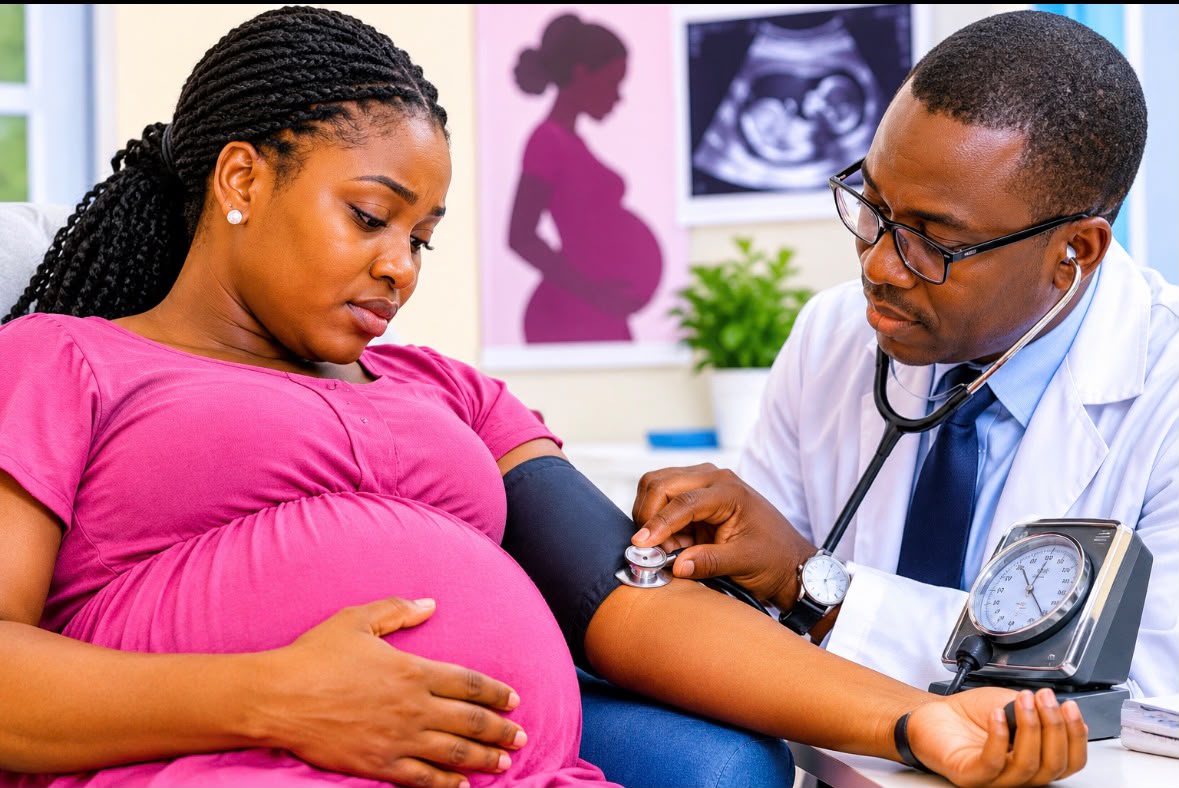
A Professor of Pelvic Medicine and Reconstructive Surgery, Michael Maanongun, has urged pregnant women to prioritise regular antenatal care and medical checks to ensure early detection and proper management of pre-eclampsia, a potentially life-threatening condition that can claim the lives of both mother and baby.
Professor Maanongun gave the advice in an interview with our Correspondent, Msurshima Agbanyi, while raising concerns about the dangers of late diagnosis and misconceptions surrounding the pregnancy-related condition.
He explained that pre-eclampsia typically develops after 20 weeks of pregnancy and is characterised by high blood pressure, often accompanied by the presence of protein in the urine.
The professor warned that failure to detect and manage the condition promptly could result in severe complications, including the death of the mother and unborn child.
He distinguished pre-eclampsia from ordinary hypertension, explaining that while a normal blood pressure reading is below 120/80, a reading of 140/90 or higher during pregnancy is a danger sign that requires medical attention.
He added that hypertension occurring before the 20th week of pregnancy could increase the risk of complications.
According to him, although research into the exact causes of pre-eclampsia is still ongoing, the condition can be effectively managed through appropriate medical care.
He noted that any pregnant woman could develop the condition, although first-time pregnancies are among the situations associated with increased risk.
The former Acting Chief Medical Director of Benue State University Teaching Hospital, Makurdi, identified inadequate knowledge of family medical history as one of the challenges to early detection.
He therefore encouraged women to understand their family health backgrounds, particularly any history of hypertension and inherited medical conditions, and to undergo regular medical examinations during pregnancy.
Professor Maanongun also dismissed misconceptions that pre-eclampsia is a spiritual condition or affects only the unborn baby.
He explained that the condition could cause serious damage to the mother’s kidneys, liver and brain, and may progress to convulsions if not properly managed.
He cautioned against attributing symptoms to spiritual causes and delaying hospital visits, warning that such actions could endanger the lives of both mother and child.
The professor further advised pregnant women and their families to take antenatal appointments seriously, ensure regular blood pressure monitoring, engage in appropriate physical exercise and maintain balanced diets to promote maternal and foetal health.